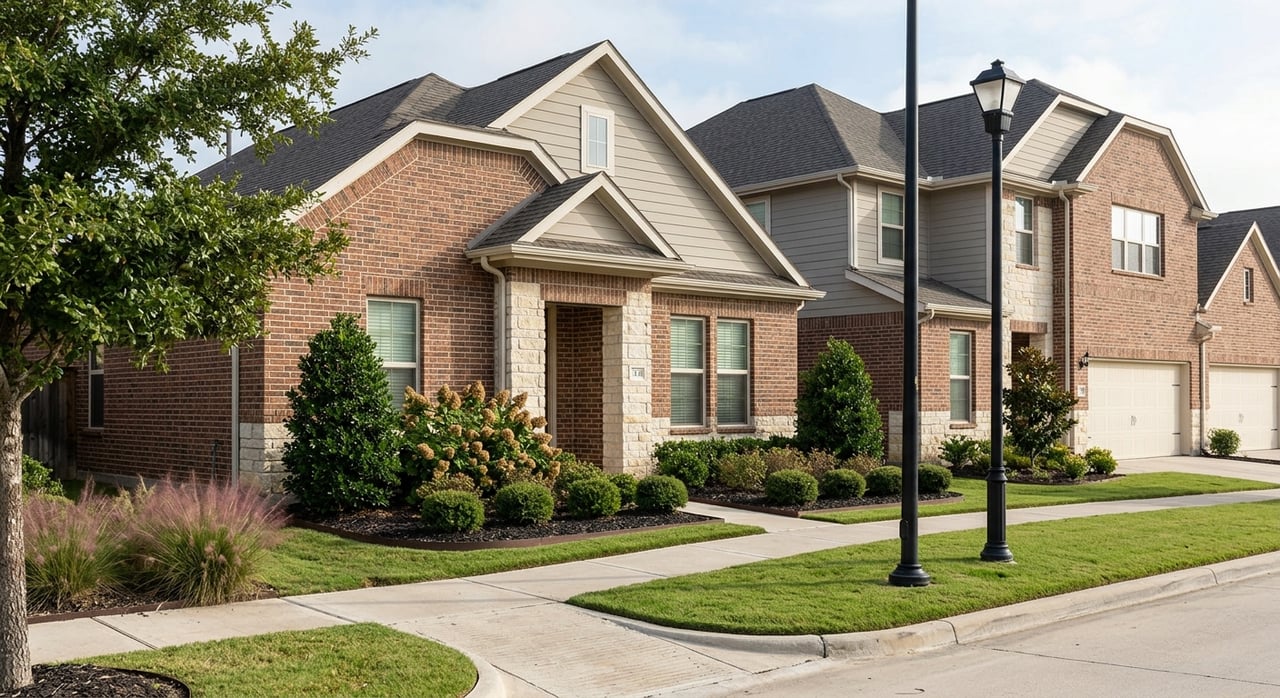
A Buyer’s Guide to Loudon County HOA Communities
Wondering whether an HOA or planned community in Loudon County is the right fit for you? That question matters more here than in many markets, because some of the county’s best-known neighborhoods come with shared amenities, shared costs, and shared rules that can shape your day-to-day ownership experience. If you are buying in places near Tellico Lake or simply comparing community types, this guide will help you understand what to review, what to ask, and how to make a more confident decision. Let’s dive in.
In Tennessee, a homeowners’ association usually operates through a set of governing documents. These commonly include the declaration, restrictive covenants, bylaws, rules, and any lawful amendments. Together, those documents explain how the community is managed and what owners are expected to follow.
State law defines a homeowners’ association as an incorporated or unincorporated association made up primarily of property owners covered by the declaration. In practice, that means the association may manage or regulate a residential subdivision, planned unit development, condominium, or similar planned development. When you buy into one of these communities, you are not just buying a home. You are also joining a shared system of rules, budgets, and responsibilities.
In Loudon County, many of the most visible HOA or POA communities are large, amenity-rich developments centered around Tellico Lake. Two of the most recognized examples are Tellico Village and Rarity Bay. These communities tend to offer more than basic neighborhood maintenance, which is why understanding the association structure is so important.
Tellico Village offers a strong local example of how a POA can function. According to the Property Owners Association, it manages roads, water and sewer, amenities, and other facilities across its roughly 5,000-acre community. The POA also says it is funded through a monthly assessment and user fees, and that property owners automatically become members.
That automatic membership matters because it ties ownership to the community’s operating structure. The POA says it operates and maintains roads, sewers, water, common areas, golf courses, the yacht club, and recreation facilities. If you are comparing a home inside a planned community with one outside it, this is one of the biggest differences to understand.
Not every ownership setup is simple. In some Loudon County planned communities, you may have more than one association involved. That can mean more than one set of dues, more than one set of rules, and more than one approval process.
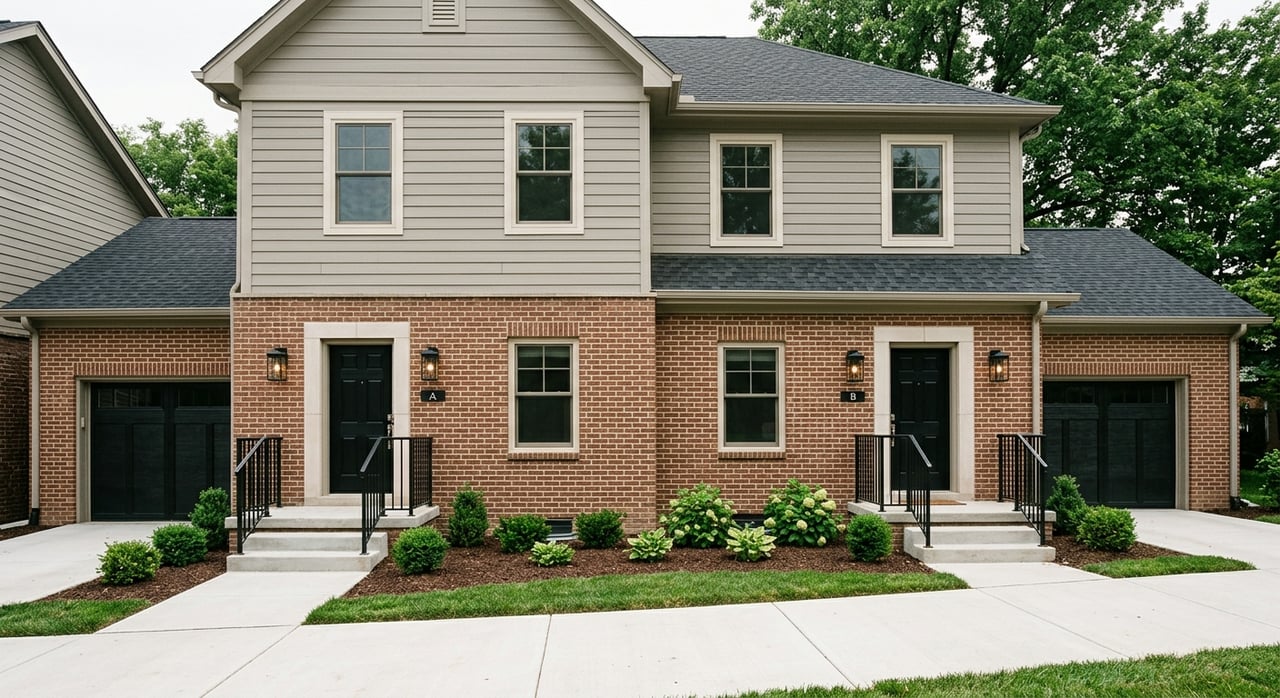
For example, Tellico Village states that townhouse owners are automatically members of both the POA and the Townhouse Association. The Townhouse Association collects its own monthly assessments in addition to POA assessments for added responsibilities such as common-grounds maintenance and administration of exterior remodeling. If you are buying a townhome or attached property, it is smart to ask whether the home falls under multiple governing bodies.
One detail buyers sometimes miss is that mailing address and community branding do not always tell the full story. Tellico Village says it spans two counties, with seven neighborhoods in Loudon County and one in Monroe County. That means a home connected to the same overall community may still sit in a different county for tax, parcel, or recording purposes.
Before you rely on a listing description or community map, verify the actual parcel location. In Loudon County, the Register of Deeds records deeds, plats, liens, and related property instruments. The Property Assessor and Planning & Codes offices are also key sources for confirming parcel, tax, zoning, and subdivision details.
HOA and POA fees in Loudon County can cover a lot, especially in master-planned communities. In Tellico Village, the official cost-of-living information says the monthly assessment is currently less than $190 per month. That assessment includes access to community centers, more than 30 miles of hiking trails, Tugaloo Family Beach, three pavilions, three clubhouses, and the Yacht Club.
That may sound straightforward, but the base fee is only part of the picture. The same Tellico Village information says golf playing fees still apply, recreation memberships are available, and boat slips are leased annually. There are no initiation fees or monthly spending minimums listed there, but it is still important to ask which amenities are included and which require separate payment.
Planned communities with strong lifestyle appeal often separate core assessments from optional use fees. That means your monthly dues may cover community operations and some shared spaces, while other amenities come with additional charges. If you are budgeting for ownership, you will want to look at the full cost, not just the advertised base assessment.
Rarity Bay shows how broad the amenity package can be in this part of East Tennessee. Its official materials describe a gated lakefront development on Tellico Lake with a country club, championship golf course, tennis, pickleball, fitness center, swimming pool, community docks, horseback riding, hiking trails, dining, and clubhouse-related recreation facilities. Communities like this can offer a lot of value for the right buyer, but only if the fee structure matches how you plan to live.
A healthy association budget is not just about current dues. It is also about how the community plans for future repair and replacement of shared assets. This is where reserve studies become important.
Tellico Village’s 2026 reserve study explains that reserve studies estimate the remaining useful life and replacement cost of major shared assets. The goal is to set aside funds for those future costs and reduce the chance of large special assessments. The study’s executive summary says annual reserve contributions are projected at $4.64 million and that no special assessments are projected within the 30-year study period, while also noting that annual operating and capital budgets still matter for items outside the reserve model.
Fees get attention, but rules can have just as much impact on your experience. In amenity-heavy communities, rules often cover construction, exterior changes, shoreline improvements, facility use, and guest access. That is why document review matters so much before closing.
Tellico Village says its Architectural Control Committee reviews applications and issues permits for construction of homes, businesses, and shoreline improvements. The community also states that the committee enforces covenants, standards, rules, and regulations. Its handbook further notes that some property changes require permits and fees, and that recreation facilities have conduct rules related to topics like age limits, smoking, pets, attire, and guest use.
If you are buying in an HOA, condo, or planned community, ask for documents early. Lenders may require legal and recorded documents such as the declaration or covenants and restrictions, project budgets, financial statements, reserve studies, insurance documents, and questionnaires. Even when a lender requests them, you should review them for your own understanding too.
For Loudon County buyers, a practical due-diligence routine includes:
This process can help you spot differences between marketing materials and recorded facts. It can also help you understand exactly what land, easements, restrictions, and obligations are tied to the property.
Before you close, keep your questions simple and direct. You want to know what you are agreeing to, what you are paying for, and what could change after you move in. The clearest questions often uncover the most useful answers.
Ask about:
Reviewing these details soon after an offer is accepted gives you more time to evaluate the fit. Waiting until the last minute can make it harder to compare information and make clear decisions.
State law also shapes how associations operate. In Tennessee, a 2022 law prohibits an HOA from charging a convenience fee for an electronic payment method instead of cash or check. If you are reviewing an association’s payment practices, that is one local rule worth keeping in mind.
Another Tennessee HOA law was enacted in 2026 and is scheduled to take effect on January 1, 2027. It requires an HOA collecting assessments for common expenses to maintain a blanket fidelity bond covering losses from theft or dishonesty by officers, directors, employees, or managing agents, generally based on reserve balances and annual assessment income, with a $10,000 minimum. For buyers, the broader takeaway is simple: association living is shaped by both recorded community documents and Tennessee law.
Buying in an HOA or planned community in Loudon County can offer a more structured ownership experience, along with access to amenities and shared services that may be hard to replicate elsewhere. It can also add layers of cost, governance, and review that deserve close attention. The right fit depends on how you want to live, what amenities you will actually use, and how comfortable you are with the rules and financial structure.
If you are comparing neighborhoods in Loudon County or trying to sort through POA documents from out of town, having a local guide can make the process much easier. With nearly 30 years of East Tennessee experience, Robin L Skeen helps buyers look beyond the listing photos and understand the details that matter before closing.
Stay up to date on the latest real estate trends.

Buying and selling real estate can be a stressful life event. Let 30 years of experience work for you! Robin can assist you in working toward a successful transaction.