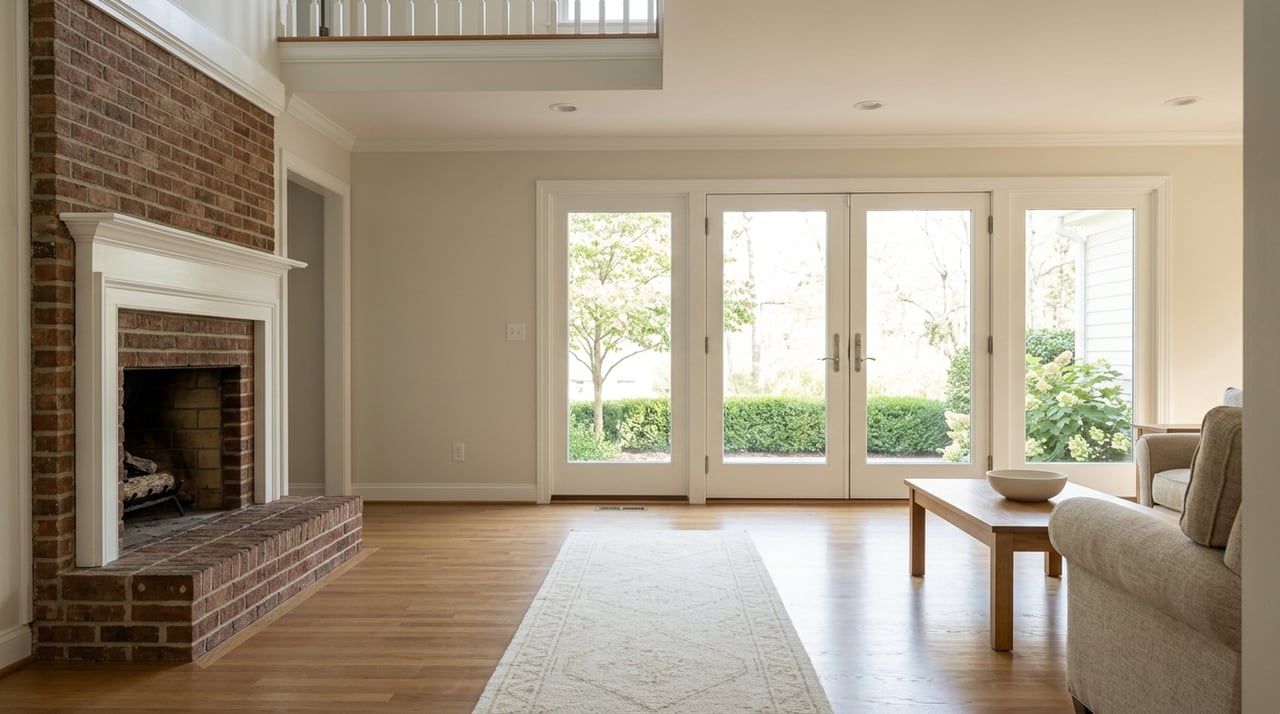
How to Sell a Home in Anderson County Step by Step
If you’re thinking about selling your home in Anderson County, the first question is usually simple: What is my home really worth right now? The answer can be tricky because Anderson County is not a one-price market, and sellers can miss the mark if they rely on a countywide average instead of local conditions. In this guide, you’ll learn how to prepare, price, market, negotiate, and close with fewer surprises. Let’s dive in.
Before you list, it helps to know that Anderson County has several different micro-markets. In spring 2026, reported countywide figures varied by source, with median sale prices, listing prices, and average values landing at different levels. That gap tells you something important: your price should come from nearby comparable sales and active competition, not a single headline number.
Local differences inside the county also matter. March 2026 snapshots showed prices ranging from about $291,000 in Rocky Top to about $559,450 in Andersonville, with Clinton around $376,700 and Oak Ridge around $409,900. If you want a smart pricing strategy, you need to look at your neighborhood, your home’s condition, and your direct competition.
Recent market data points to steady demand with room for negotiation. Redfin reported 57 median days on market and a 97.5% sale-to-list ratio, while Realtor.com reported 62 median days on market and homes selling about 1.97% below asking in March 2026. That means buyers are active, but they are still comparing options and negotiating terms.
Zillow also estimated homes were going pending in about 17 days on average. Read together, these numbers suggest that well-prepared and well-priced homes can move quickly, while overpriced homes may sit and require adjustments. That is why pricing correctly from the start matters so much.
Before you do anything else, take stock of your bigger picture. Think about your equity, any mortgage payoff, likely sale costs, and your ideal timeline. If you are buying another home, relocating, or selling from out of town, those details can shape your strategy from day one.
This is also the time to think through your listing options and how much help you want during the process. For many sellers, especially busy or remote owners, having someone coordinate the details can make the sale feel much more manageable.
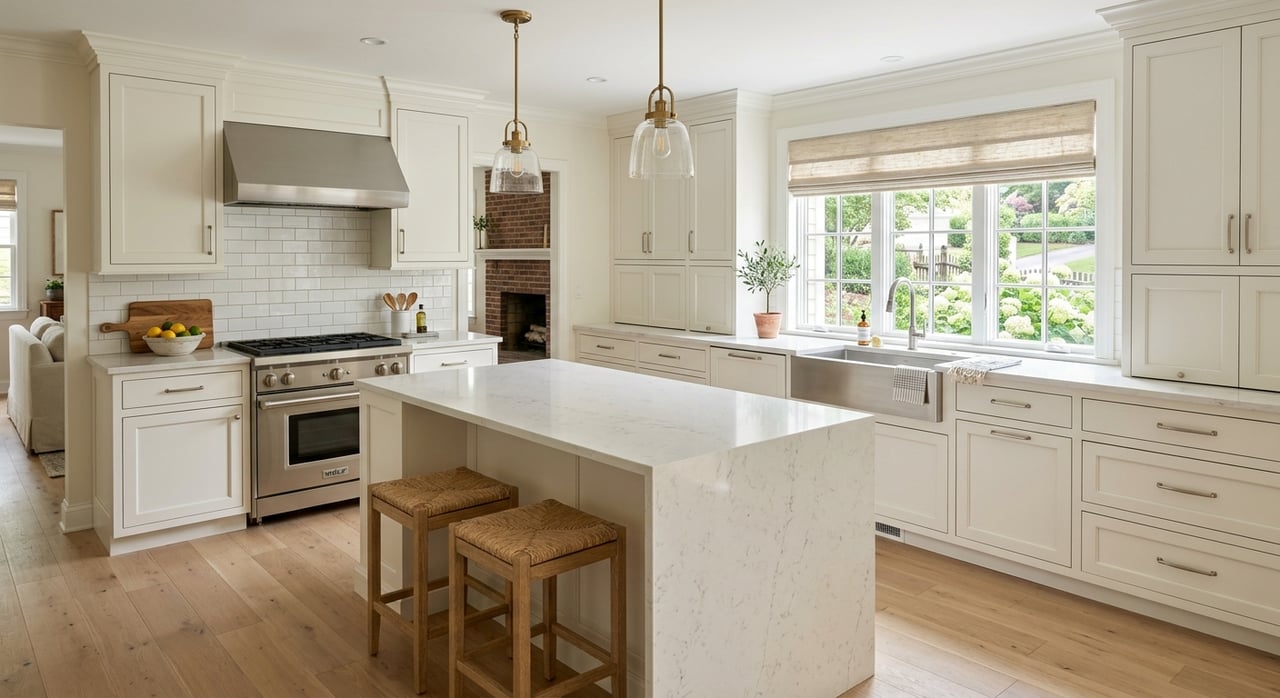
A strong sale usually starts before the listing goes live. Basic maintenance, needed repairs, decluttering, and neutral presentation can help your home appeal to more buyers. Simple staging can also make rooms feel cleaner, larger, and easier to picture as a future home.
Gathering paperwork early can save time later. If appliances, systems, or features will stay with the property, it helps to collect any warranties, guarantees, and manuals you have. Buyers often appreciate that extra organization.
A pre-sale inspection is optional, but it can be useful. It may identify issues before a buyer discovers them, which gives you more time to decide whether to repair the problem, adjust the price, or prepare for negotiations. It can also reduce last-minute surprises once you are under contract.
Inspections often review major systems and visible condition items such as the structure, roof, plumbing, electrical, heating and cooling, interiors, insulation, and fireplaces. Depending on the property, additional testing may also come up.
In Tennessee, selling a home is not just about cleaning and staging. Most sellers of residential real estate must complete a disclosure statement under the Tennessee Residential Property Disclosure Act. This form should be filled out carefully and based on your own knowledge.
The state says sellers should disclose items such as the property address, age of the home, included fixtures and amenities, known defects or malfunctions, environmental hazards, encroachments, flood or drainage issues, and remodeling completed without permits or code compliance. Failure to disclose can lead to contract cancellation or legal action, so accuracy matters.
Some homes need extra disclosure beyond the standard form. If your property is in a planned unit development, that must be disclosed in writing, and certain governing documents must be made available on request. If your home is on a private road, that also must be disclosed.
Tennessee also requires disclosure of any known sinkhole on the property. Keep in mind that the state disclosure form is not a warranty, and it does not replace a buyer’s inspection.
If your home was built before 1978, federal law requires lead-based paint disclosure before the sale. That includes sharing known information, available records or reports, a lead warning statement in the contract, and giving the buyer an opportunity for a 10-day inspection or risk assessment unless that right is waived.
This is one of the most important steps in the whole process. Because Anderson County values vary so much by area, a strong list price should be based on recent comparable sales, active listings, pending sales, location, condition, and features. Countywide averages are useful background, but they are not enough to price your specific home.
A realistic price can help you attract more serious buyers early, when your listing is freshest. If a home sits too long without much activity, sellers may need a price reduction or offer closing-cost incentives to regain momentum.
Once the home is ready and priced well, it is time to bring it to market. A typical marketing plan includes MLS exposure and may also include open houses, virtual tours, and print materials. The goal is broad visibility and a presentation that helps buyers notice your home quickly.
Professional presentation matters here. Clear photography, accurate details, and a polished listing can shape how buyers respond in the first few days. In a market where buyers still negotiate, strong exposure can help you create better leverage.
When your home is active, flexibility helps. Buyers may want to tour at different times, sometimes with short notice, so it is smart to keep the home clean and as show-ready as possible. Secure valuables and make sure pets are safe during showings.
A little preparation can make everyday life easier during this stage. Having a quick cleaning routine, a basket for daily clutter, and a plan for leaving the house can reduce stress while your home is on the market.
The highest offer is not always the best offer. Price matters, but so do contingencies, inspection timelines, financing terms, and the proposed closing date. Each piece affects your risk, timing, and likely net proceeds.
In Anderson County, recent sale-to-list ratios suggest many buyers are still negotiating. That means you should expect conversations around repairs, credits, deadlines, or closing costs. A careful review of the full offer can help you avoid surprises later.
When you review offers, focus on the full picture:
You can accept an offer, reject it, or counter with different terms. Often, the best outcome comes from balancing price with certainty and convenience.
Once you are under contract, the buyer will usually complete inspections during the agreed inspection period. If issues come up, the buyer may ask for repairs, credits, or other concessions. This is a normal part of many sales.
If you prepared well before listing, this stage may feel smoother because fewer problems will be a surprise. Still, some negotiation is common, especially around major systems or safety-related concerns.
After inspections and contingencies are resolved, the sale moves toward closing. At closing, ownership is transferred and the seller receives proceeds after the mortgage payoff, if any, and other sale costs are paid. The exact timing depends on the contract terms and whether all conditions have been satisfied.
It also helps to understand a few Tennessee costs that may affect your net proceeds. The Tennessee Department of Revenue says recordation tax includes a realty transfer tax of $0.37 per $100 of consideration or value, plus an indebtedness tax of $0.115 per $100 of indebtedness, with the first $2,000 of debt exempt.
Carrying costs can vary depending on where your property is located inside Anderson County. For FY 2025-26, the combined property tax rate was set at $1.4889 per $100 in Clinton, $1.4065 in Oak Ridge, and $1.5037 in Oliver Springs, Rocky Top, Norris, and rural Anderson County. That may not change your listing strategy alone, but it can affect your ownership costs and overall numbers.
After closing, the transfer documents are typically submitted for official recording. In Anderson County, the Register of Deeds is the office that records real property documents. If you have questions about valuation, county taxes, or recorded documents, the Assessor, Trustee, and Register of Deeds are key local offices.
One more final step matters: verify wiring instructions carefully. Because wire fraud and closing scams are common, confirm any wiring details by phone or in person with trusted closing participants rather than relying on email alone, especially if anything changes at the last minute.
Selling a home has a lot of moving parts, and Anderson County adds another layer because pricing can vary so much from one area to the next. A strong local strategy is not just about putting a sign in the yard. It is about pricing from neighborhood comps, preparing your home well, managing showings, evaluating offers carefully, and keeping the deal on track through inspections and closing.
That is where hands-on support can make a real difference. If you want a clear local valuation, professional marketing, and steady communication from start to finish, Robin L Skeen can help you sell with confidence.
Stay up to date on the latest real estate trends.
Buying and selling real estate can be a stressful life event. Let 30 years of experience work for you! Robin can assist you in working toward a successful transaction.