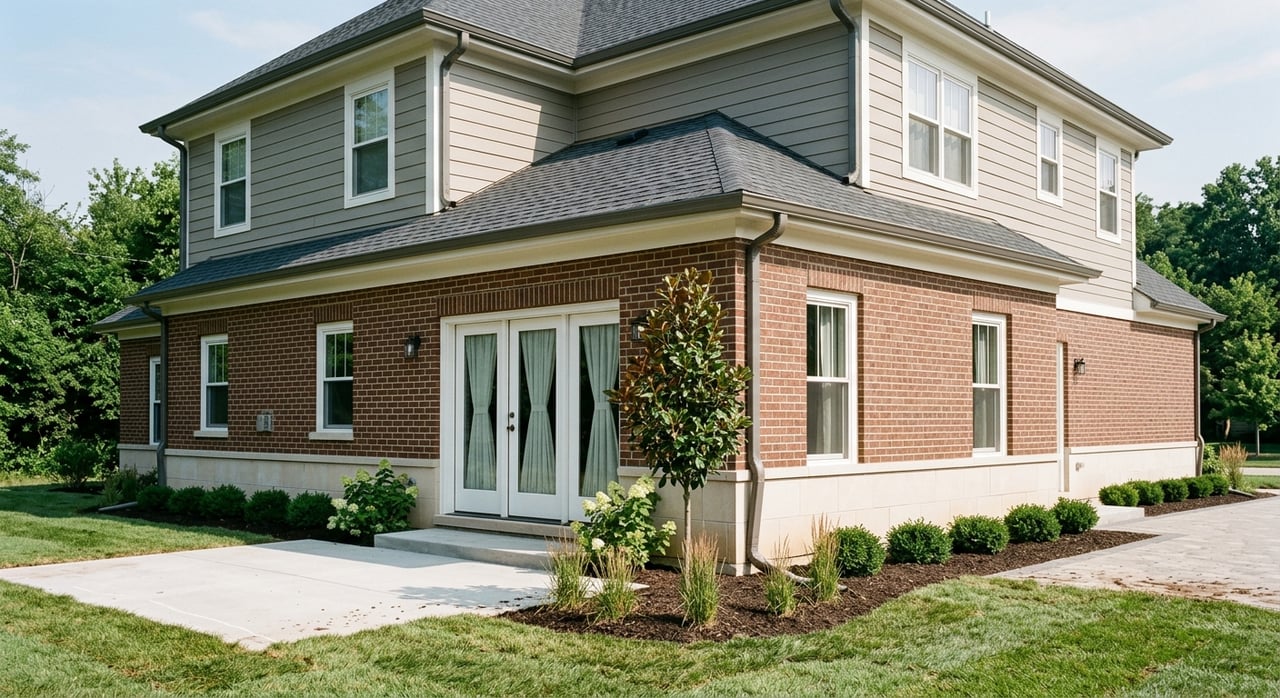
New Construction in Loudon County TN: A Buyer’s Guide
Thinking about buying a brand-new home in Loudon County? New construction can be exciting, but it also comes with a different set of steps, timelines, and questions than buying a resale home. If you want fewer surprises and a smoother experience, it helps to understand how local permits, inspections, warranties, and representation work before you sign. Let’s dive in.
A new build is not just a house plan and a closing date. In Loudon County, residential construction can involve building permits, inspections, site-specific approvals, and tax-related paperwork before a home is ready for occupancy.
According to Loudon County, the permit process may require an approved address, a site plan, septic and driveway permits if applicable, the contractor license, the contractor’s workers’ compensation certificate, and school-facilities privilege tax forms. Part of that school-facilities privilege tax must also be paid before the building permit is issued.
That means your timeline may depend on more than the builder’s construction schedule. Site conditions, required approvals, and inspection timing can all affect when construction starts and when a home is ready to close.
It is easy to fall in love with finishes, layouts, and model-home photos. In Loudon County, though, the lot itself can shape what is possible and how long the process may take.
If a property needs septic approval or driveway approval, those items can become part of the path to getting a permit. Some lots may also need floodplain-related paperwork before construction can move forward.
For buyers looking at lake-adjacent or low-lying property, the review can be even more detailed. Loudon County’s zoning rules restrict new construction in the floodway district, require a building permit before work begins, and require elevation documentation to be retained.
If shoreline work is involved, TVA adds another layer. TVA says shoreline construction on its reservoirs generally requires Section 26a approval, including items like docks and shoreline stabilization.
If you are considering waterfront property, ask early about the permit history and whether any shoreline improvements are planned. That can help you understand what approvals may already exist and what still needs to happen.
One of the biggest surprises for buyers is that new-construction timelines can shift. In Loudon County, approvals and inspections are a big reason why.
The county’s inspection process includes stages such as footings, slabs, framing, plumbing, mechanical, energy, and final inspections. Electrical inspections are handled by state inspectors through the utility provider, which adds another moving part.
If an inspection does not pass the first time, or if a required site approval is still pending, the schedule can slow down. That does not always mean something is seriously wrong, but it does mean your closing date may be more fluid than it would be with a resale home.
Loudon County also requires inspections to be scheduled with 24-hour notice. Construction drawings must remain on site, and the permit must be posted where it is visible from public roads.
Most importantly, a certificate of occupancy is issued only after final approval. Loudon County says it is unlawful to occupy the home before that point.
A polished model home can tell you a lot about style, but it does not tell you everything you need to know about the builder. In Tennessee, checking credentials is a practical first step.
The Tennessee contractor board requires a contractor’s license before bidding or offering a price on projects of $25,000 or more. The state also advises consumers to verify license status before hiring.
That matters even more in Loudon County because the local permit process also calls for the contractor license and workers’ compensation certificate. In other words, builder credentials are not just a consumer issue. They are also part of the local approval process.
It is also smart to think about inspections separately from the builder. Tennessee licenses home inspectors under a different system, and the state notes that home inspections are often included in real estate contracts.
Some buyers assume a brand-new home does not need an independent inspection. That is not the safest way to approach a major purchase.
County inspections and private inspections serve different purposes. The county is checking for code compliance at required stages, while your own licensed home inspector can help you better understand the condition of the home as a buyer.
Because Tennessee licenses home inspectors, you can verify an inspector’s license before hiring one. That extra step can give you more confidence as you move through the process.
If you are buying from out of town or juggling a busy schedule, having a clear inspection plan matters even more. It helps you stay informed without having to manage every detail on your own.
This is one of the most important parts of buying new construction in Tennessee. A disclosure form and a builder warranty are not the same.
Tennessee law says the residential disclosure form is not a warranty and is not a substitute for inspections. The first sale of a dwelling is also exempt from the disclosure requirement if the builder offers a written warranty.
So if you are comparing a resale home with a newly built home, the paperwork may look different. That does not automatically mean you have less protection, but it does mean you should review the builder’s written warranty carefully and understand what it covers.
Tennessee’s Commerce & Insurance guidance says there is a one-year implied warranty tied to workmanship and materials. It also says structural-defect claims have a three-year statute of limitations, or four years from notification.
Those timelines are important, but they do not replace the value of careful walkthroughs, good documentation, and professional guidance before closing.
If the home is in a planned unit development or HOA-style community, make sure you understand that structure before you move forward. Tennessee requires disclosure of that status and says restrictive covenants, bylaws, and the master deed must be made available on request.
This is especially helpful when you are comparing communities with different rules, maintenance structures, or development plans. Getting those documents early can help you make a more informed choice.
Tennessee also requires disclosure of impact fees or adequate-facilities taxes. In Loudon County, that matters because school-facilities privilege tax paperwork is part of the local residential permit process.
Many buyers visit a new-construction community and assume the on-site sales representative is automatically working for them. In Tennessee, that is not a safe assumption.
State law says a real estate licensee is a facilitator unless there is a specific written agency agreement. Agency status must be disclosed in writing with an unrepresented buyer before an offer is prepared.
In plain terms, if you want your own representation, it is wise to establish that relationship in writing and confirm who represents whom before you get too far into the process. That can make a big difference when questions come up about pricing, timelines, inspections, or contract terms.
A little preparation can make a new-construction purchase feel much more manageable. Before moving forward, focus on the details that most often affect timing, expectations, and peace of mind.
Your closing may be tied to completion milestones rather than just a date on the calendar. Because Loudon County requires final approval before issuing a certificate of occupancy, the home must clear that final stage before move-in can happen legally.
That is one reason new-construction closings often require a little flexibility. The more clearly you understand the approval process up front, the easier it is to plan your move.
New construction in Loudon County can be a great option, especially if you want a home with modern features and less immediate maintenance. But it also asks you to think through permits, site conditions, inspections, warranties, and representation in a more detailed way than many buyers expect.
Having someone who understands the local process can help you ask better questions, stay on top of timelines, and avoid preventable surprises. If you are considering a new-build home in Loudon County and want steady, local guidance through the details, reach out to Robin L Skeen.
Stay up to date on the latest real estate trends.

Buying and selling real estate can be a stressful life event. Let 30 years of experience work for you! Robin can assist you in working toward a successful transaction.