The Median Home Price In Oak Ridge Is Hiding Two Different Housing Markets
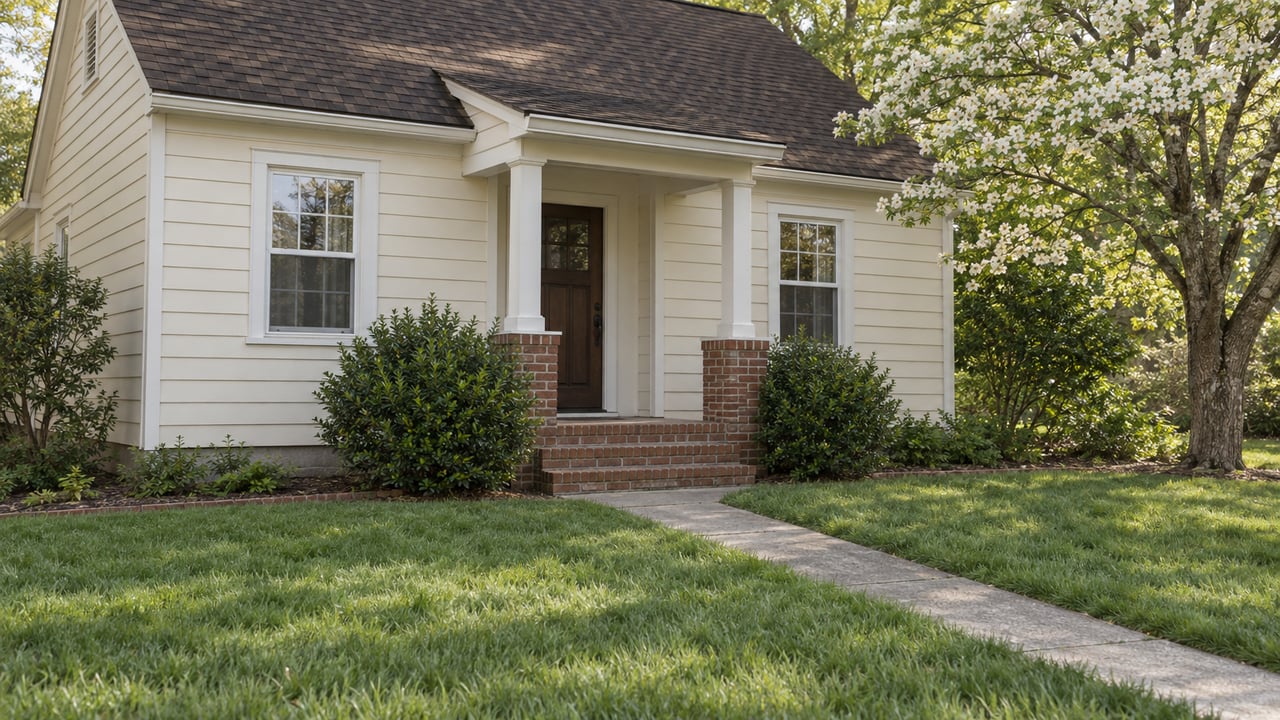
Picture two Oak Ridge listings that landed at the same asking price this month. One is a 1945 two-bedroom with cement-and-asbestos board walls, a flat roof, and a floor plan the federal government literally assigned a letter to. The other is a new build on a cul-de-sac in a subdivision that didn't exist five years ago. Same price. Almost nothing else in common.
That's the problem with quoting a single median for Oak Ridge, Tennessee. The number is accurate. It just isn't describing one house. It's an average of two very different housing eras that happen to share a zip code, and if you anchor a budget to the median without knowing which era you're actually shopping in, you'll misjudge what your money buys.
Depending on which site you open this fall, Oak Ridge's home values look meaningfully different. Zillow's Home Value Index, which models a "typical" value rather than tracking raw closed prices, showed figures ranging from roughly $281,000 to $332,000 across different Oak Ridge zip pages over the summer of 2026, a spread of about $50,000 for what is nominally the same city. Redfin's rolling three-month window ending in August 2026 put the median sale price at $401,000, up 3.3 percent year over year, with homes selling after a median of 60 days on market. Resideline's tracker, refreshed in September 2026, counted 374 closed sales over the trailing six months with a median closing price of $399,950, and it flagged something the other tools don't surface as clearly: the middle half of those sales closed anywhere between $275,000 and $485,000.
None of these sources is wrong. They're measuring different things. A modeled typical-value index, a rolling sale-price average, and a raw closed-sale median will always diverge somewhat, but a $50,000 gap inside one company's own tool and a $210,000 band inside another's tells you the underlying inventory itself is unusually split. You can't average your way to a meaningful single number when the city is selling two different products.
The reason for the split traces back to 1942, when the Army built Oak Ridge from nothing to house the workforce assembling materials for the Manhattan Project. Architecture firm Skidmore, Owings and Merrill, the same firm that later designed Jackson Square, needed to put roofs over tens of thousands of people fast, so they designed a small set of house layouts and named each one after a letter of the alphabet. Type A was a compact two-bedroom. Type D became, according to the National Trust for Historic Preservation, a precursor to the American ranch-style home. Roughly 3,000 of these homes went up using cemesto board, a prefabricated panel of cement and asbestos that could be manufactured and assembled in a fraction of the time normal construction required. The National Park Service still catalogs the letter system today, from Type A through H in cemesto and a separate run of Flat-Top designs lettered A through V.
Those houses didn't get demolished when the war ended. A large share of them are still standing in the neighborhoods that made up the original townsite, including East Village, Woodland, Highland View, and Scarboro. The city's own housing plan puts more than half of Oak Ridge's total housing stock at built before 1959, a figure documented in the Blueprint Oak Ridge housing plan. That is not a typical age profile for a growing East Tennessee city, and it's the single fact that explains everything else in this post.
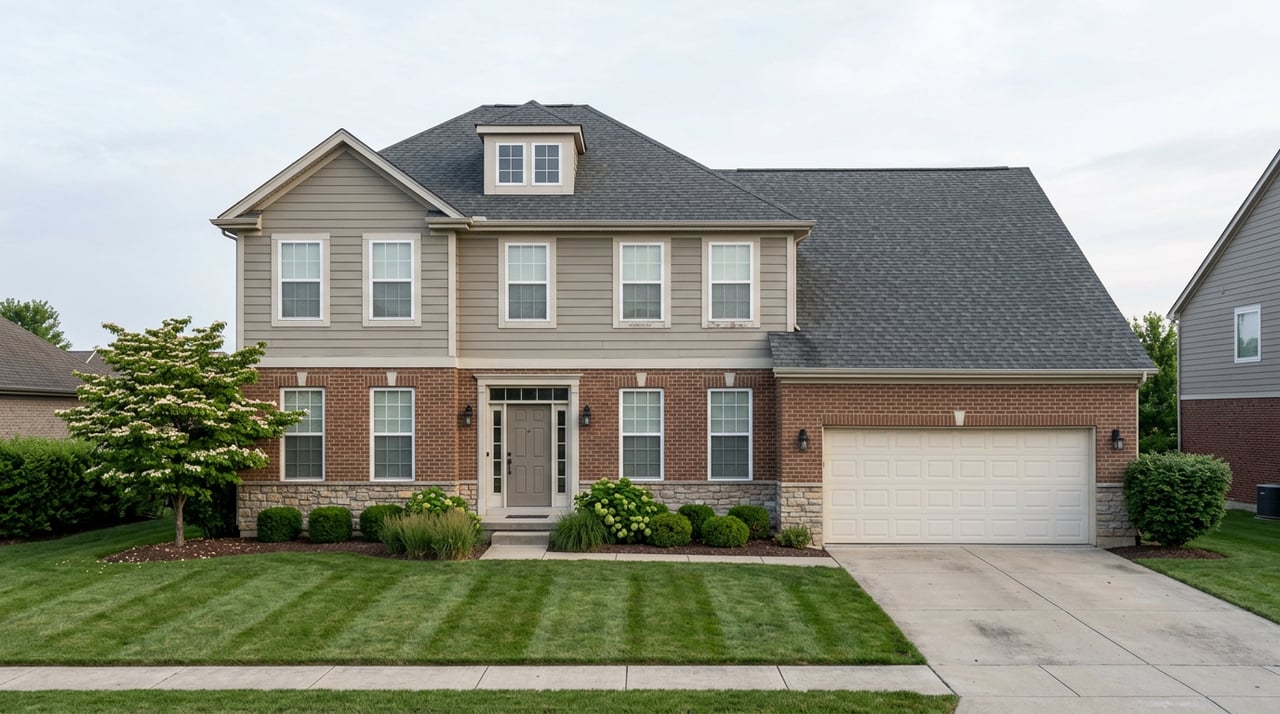
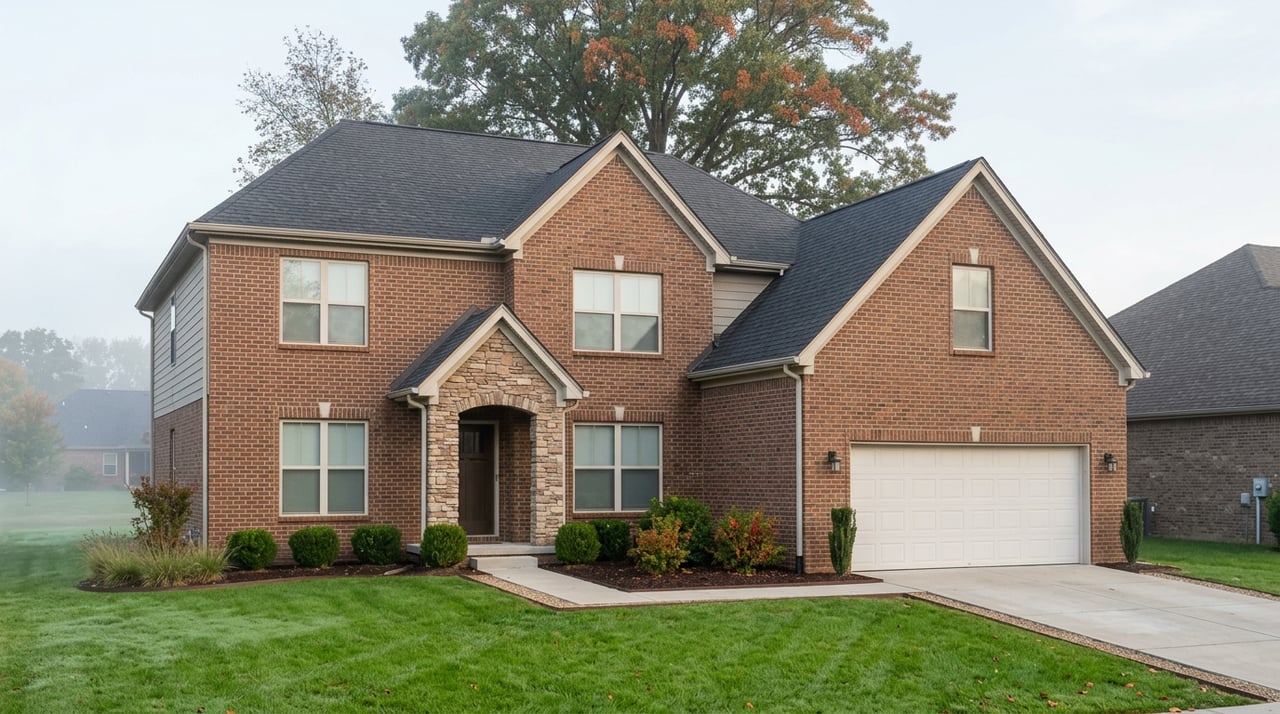
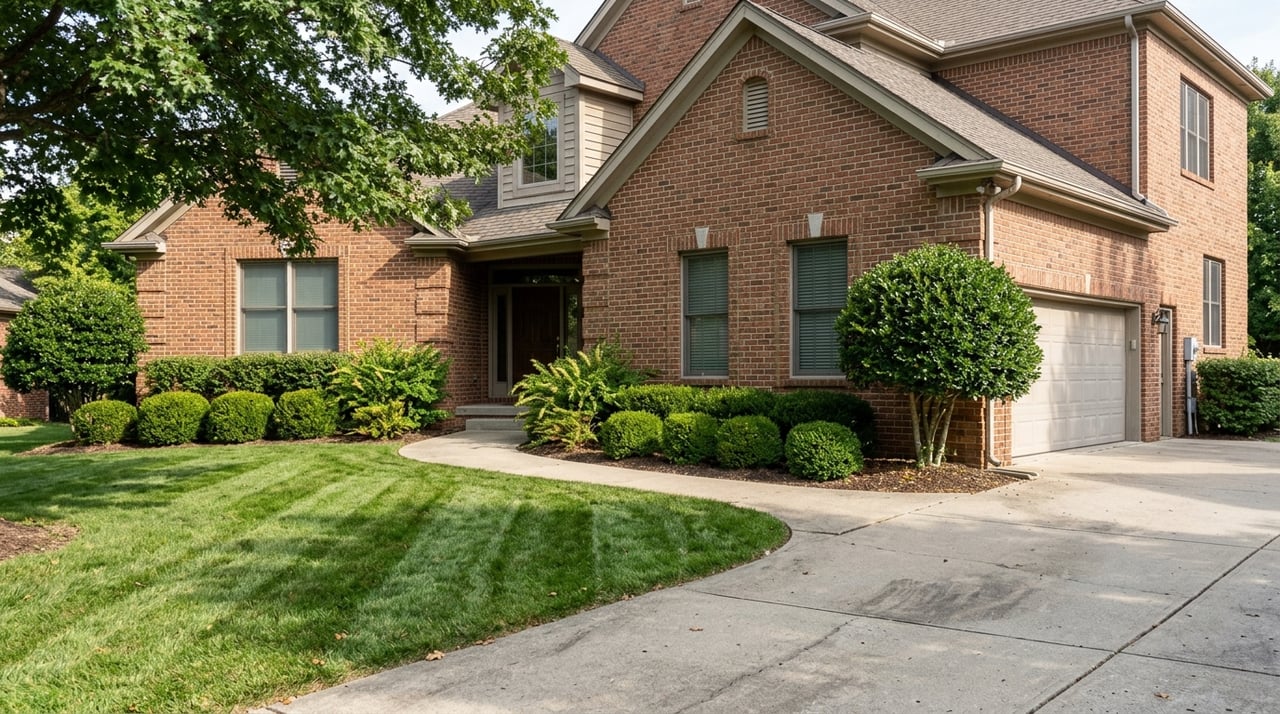
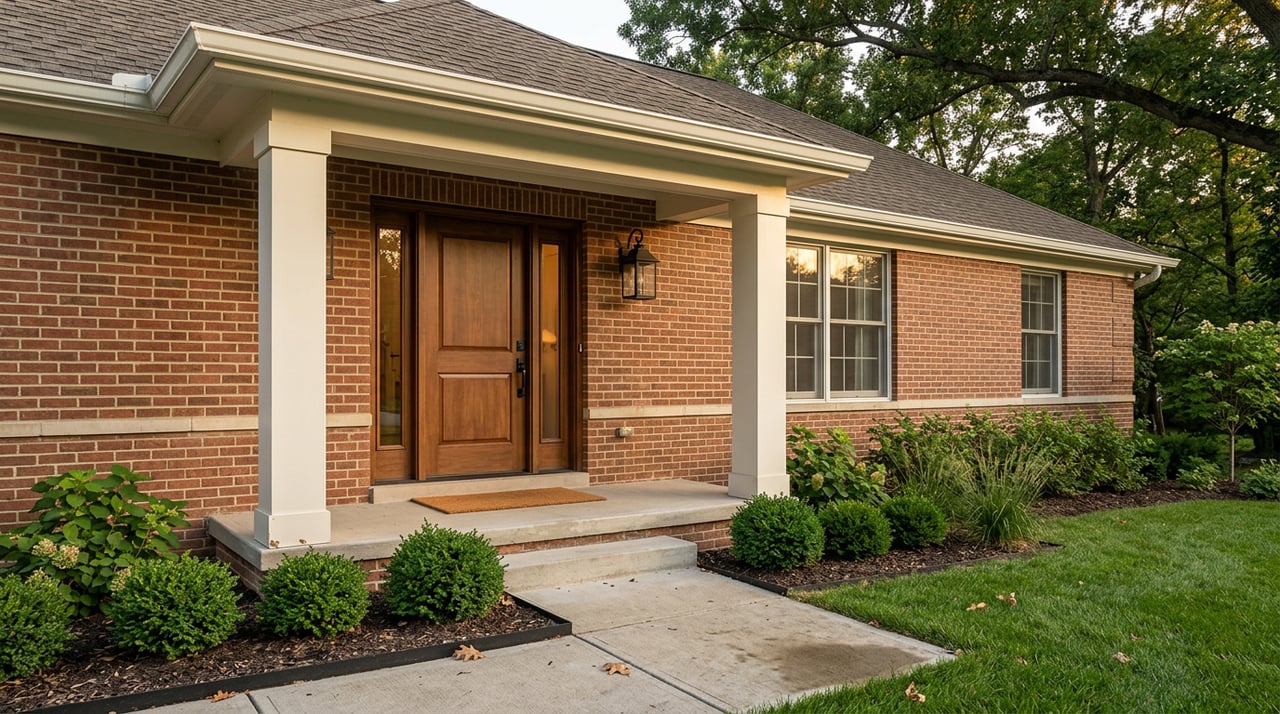
Resideline's $275,000 to $485,000 middle-half spread, tracked as of September 2026, is not noise. It's the seam between two housing generations sitting inside one city limit. On one side of that seam are the alphabet and cemesto homes in the historic core, many under 1,000 square feet, priced for what they are: small, sound, 80-year-old starter homes. On the other side are subdivisions built in the last two decades, places like The Preserve at Clinch River, Crossroads at Wolf Creek, and Forest Creek Village, along with newer construction filling in around Solway and West Village. A buyer comparing two listings at the same price point in Oak Ridge is very often comparing square footage and vintage, not just condition or upgrades.
This matters for budgeting in a specific way. If you use the citywide median as your anchor, you'll consistently overshoot what a historic-core starter home should cost and undershoot what a newer subdivision home actually runs. The median isn't lying. It's just the midpoint of two separate distributions, and the midpoint of two separate distributions doesn't describe either one particularly well.
The part of this story that surprises people who haven't shopped Oak Ridge before is that the older stock doesn't behave like distressed or discounted inventory. A city where more than half the homes predate 1959 would, in a lot of markets, show softer pricing across the board. Oak Ridge doesn't, and the reason comes down to what's employing people there. Oak Ridge National Laboratory and the Y-12 National Security Complex anchor a technical, federally funded workforce that has kept demand steady even for homes built during the Truman administration. That employment base is also why the city has been adding population rather than losing it. A request-for-qualifications document the city published for downtown redevelopment noted that alongside new national retailers and local restaurants, Oak Ridge's population had begun noticeably increasing, on the order of 10 percent in under five years.
Reinvestment in the historic core backs this up further. In December 2025, WVLT reported that the Oak Ridge Housing Authority had launched a two-year project spanning eight sites and nearly 130 units citywide, with about 104 of those new or renovated units concentrated in the historic Scarboro neighborhood, funded in part by a $500,000 grant to help existing homeowners renovate their own properties. That's not a market writing off its oldest housing. That's a city putting real money into keeping it occupied and updated, which is a different signal than what you'd see in a place where old inventory is simply aging out.
If you're pricing a specific Oak Ridge listing against "the median," the more useful question is which half of that $275,000 to $485,000 band the house actually sits in, and why. A cemesto or alphabet house priced near the bottom of the band isn't necessarily underpriced. A new build priced near the top isn't necessarily overpriced. They're different products.
If the home in question is an original cemesto or alphabet-house type, plan your inspection accordingly. The cement-asbestos wallboard that gives these homes their name is stable and not a hazard on its own. It only becomes a concern if the material is cut, drilled into, or disturbed during renovation, which is worth flagging to any contractor before demolition work starts on an interior wall. That's a different set of inspection priorities than you'd bring to a five-year-old build in a subdivision, where the questions run more toward warranty coverage and builder-grade finishes than legacy materials.
Is a cemesto or alphabet house a red flag on an inspection? Not on its own. The cement-asbestos panels are considered stable when undisturbed. The concern arises specifically if a renovation plan involves cutting into interior cemesto walls, which is a conversation worth having with your inspector and contractor before you write an offer, not after.
Why do Zillow, Redfin, and other trackers show different numbers for the same city? They're measuring different things. A modeled typical-value index, a rolling average of recent sale prices, and a raw median of closed transactions will diverge even in a normal market. In Oak Ridge, that divergence is wider than usual because the underlying inventory itself splits into two distinct eras rather than clustering around one typical home.
Does an older Oak Ridge home mean a lower ceiling on resale value? The current market doesn't support that read. Employment tied to Oak Ridge National Laboratory and Y-12 has kept demand for historic-core housing steady enough that a city with a majority pre-1959 housing stock is still posting closed-sale medians near $400,000 as of September 2026, alongside continued public reinvestment in neighborhoods like Scarboro.
Every Oak Ridge address carries its own answer to which side of that price band it belongs on, and that answer depends on the house in front of you, not the headline number. If you're comparing a specific listing against what similar homes have actually closed for recently, Robin L Skeen can walk through the comps with you and tell you exactly what you're looking at before you write an offer.
Stay up to date on the latest real estate trends.

Buying and selling real estate can be a stressful life event. Let 30 years of experience work for you! Robin can assist you in working toward a successful transaction.